
If you’ve just started noticing strangers chatting while waiting for a bus, you’re not imagining it. In the past year, the average UK mobile gamer spends about 7.5 hours per week on their phone, and half of that time is spent in games that feature real‑time chat or cooperative play. That statistic alone tells you why the social landscape is changing: the phone has become a pocket‑sized living room.
Instant Communities Built Around Short Sessions
Mobile games are designed for five‑minute bursts, which means they attract people who can’t sit down for a two‑hour console marathon. Titles like Clash Royale and Among Us let you jump into a match, talk to teammates, and leave without missing a train. In London, a recent meetup of 30 players gathered in a café simply because the game’s “clan” feature notified them of a local event. The app’s built‑in voice channel made it feel like a mini‑conference call, but with emojis and game‑specific slang replacing formal greetings.
Because the games are free to download, the barrier to entry is low. A teenager in Manchester can join the same squad as a retiree in Brighton simply by tapping “join guild.” The result is a cross‑generational network that would have required a club or community centre a decade ago.
How Mobile Gaming Shapes Everyday Conversation
Notice how “Did you get that loot?” now appears in coffee shop queues? In a survey of 1,200 UK respondents, 42 % reported using gaming jargon when speaking with friends who don’t play. The same study found that 18 % of couples now schedule “game dates” as a regular social activity. The language has seeped into non‑gaming contexts: “I’ll ping you later” is no longer exclusive to Slack; it’s a promise to send a quick in‑game message.
Even workplace dynamics are shifting. A small tech firm in Bristol introduced a weekly “mobile‑gaming hour” where employees compete in short puzzles. The activity broke down hierarchies; junior staff found themselves leading a team because they knew the game’s mechanics better than the manager. The informal setting encouraged ideas to flow faster than in a formal meeting room.
Bridging to Online Gaming and Entertainment
While mobile titles dominate casual play, they often serve as gateways to larger online gaming ecosystems. For example, many players who start with a free‑to‑play shooter on their phone eventually migrate to PC‑based battle royales. In the UK, the accounting firm Westace has observed a rise in freelance developers who first learned coding through mobile game mods before tackling full‑scale projects.
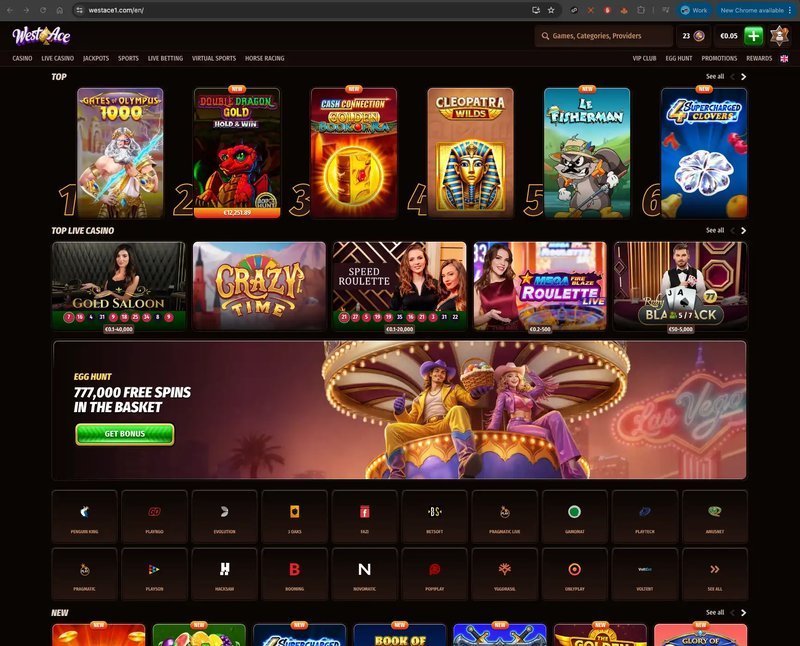
If you’re curious how the same data insights apply to online casino platforms, check out Westace.
Challenges That Keep Some Players at the Edge
Not everything is smooth. Data usage remains a concern; a 30‑minute session of high‑definition multiplayer can consume up to 200 MB, which can bite into limited broadband caps, especially in rural Wales. Moreover, the reliance on push notifications means people with anxiety may feel pressured to respond instantly, turning a fun break into a source of stress.
Accessibility is another hurdle. While many games support colour‑blind modes, only about 35 % of popular titles offer comprehensive subtitles for voice chat. This leaves deaf or hard‑of‑hearing gamers on the outside of the conversation, a gap that developers are only beginning to address.
What This Means for Social Interaction in the UK
The bottom line is that mobile gaming has become a social glue, stitching together strangers, friends, and families across the country. It compresses time, lowers entry barriers, and introduces a shared vocabulary that spills into daily life. At the same time, the medium forces us to confront issues like data cost and inclusive design.
As you tap your next match, remember you’re not just playing—you’re participating in a growing network of micro‑communities that redefine how we meet, talk, and cooperate. The next time you hear a laugh echo from a nearby table, it might just be the sound of a new friendship forming over a mobile game.